
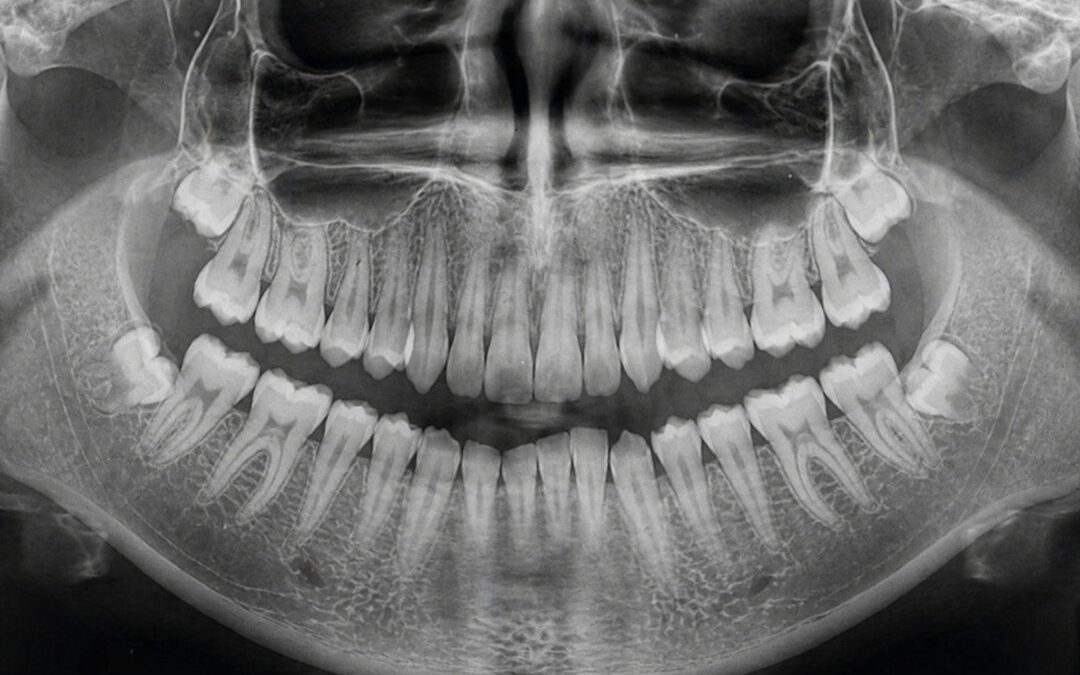
Have you ever had a toothache that suddenly went away? Or perhaps your dentist noticed something unusual on an X-ray, even though you weren’t experiencing any pain?
A tooth can lose its vitality without causing noticeable discomfort. This condition is called pulp necrosis, which means the soft tissue inside the tooth has died.
Although it may sound alarming, understanding why this happens and how it is diagnosed can help you protect your natural teeth.
What Happens Inside the Tooth?
The inside of your tooth contains a soft tissue called the dental pulp. It consists of nerves, blood vessels, and connective tissue.
When the pulp becomes severely damaged, its blood supply can be compromised, and the tissue may eventually die.
Several things can contribute to this damage, including deep decay, a cracked tooth, dental trauma, or complications involving previous dental work.
Why Doesn’t It Always Hurt?
This is what surprises many patients.
When the pulp becomes necrotic, the nerves inside that tissue are no longer functioning normally. As a result, the tooth may no longer respond to hot or cold in the way it once did.
However, that doesn’t necessarily mean the problem has gone away.
If bacteria infect the root canal system, inflammation can develop in the surrounding tissues. These tissues can still respond to infection, sometimes causing tenderness, swelling, or pain when biting.
According to the American Association of Endodontists (AAE), an infection around the root of a tooth may or may not be painful.
The absence of a toothache does not always mean the tooth is healthy.
What Are the Signs to Watch For?
Some patients have no noticeable symptoms. Others may experience:
- A tooth becoming gray or darker than neighboring teeth.
- Tenderness when biting or chewing.
- Swelling around the gums.
- A small bump on the gums near the affected tooth.
- A history of dental injury or previous tooth pain.
These signs do not automatically mean the nerve has died. An examination is needed to determine what is happening.
How Does an Endodontist Diagnose a Dead Tooth Nerve?
An endodontist evaluates the tooth using a combination of clinical findings and diagnostic tests.
This may include cold testing or electric pulp testing to evaluate the tooth’s response, examining the surrounding gums, checking for tenderness, and taking dental X-rays.
In certain cases, additional imaging may be appropriate.
Importantly, one abnormal test result does not automatically confirm pulp necrosis. Recent dental trauma and other conditions can affect how a tooth responds to testing.
The endodontist considers all findings together before recommending treatment.
Can the Tooth Be Saved?
In many cases, yes.
When pulp necrosis is confirmed and the tooth is suitable for treatment, root canal treatment may be recommended.
During the procedure, the endodontist removes the affected tissue, cleans and disinfects the root canal system, and seals the canals.
The tooth is then restored to protect its remaining structure and allow it to continue functioning.
The goal is to preserve your natural tooth whenever possible.
Don’t Wait for Pain to Have a Tooth Evaluated
A tooth doesn’t always hurt when something is wrong inside. If you’ve experienced dental trauma, noticed discoloration, or had an unusual finding on a dental X-ray, an evaluation can help determine whether treatment is necessary.
At Edge Endodontics, we specialize in diagnosing and treating conditions affecting the inside of teeth.
If you have concerns about a tooth that may have underlying damage, contact our office to schedule an evaluation.
Edge Endodontics | Austin, Texas
Website: https://edgeendodontics.com/